International freight forwarding
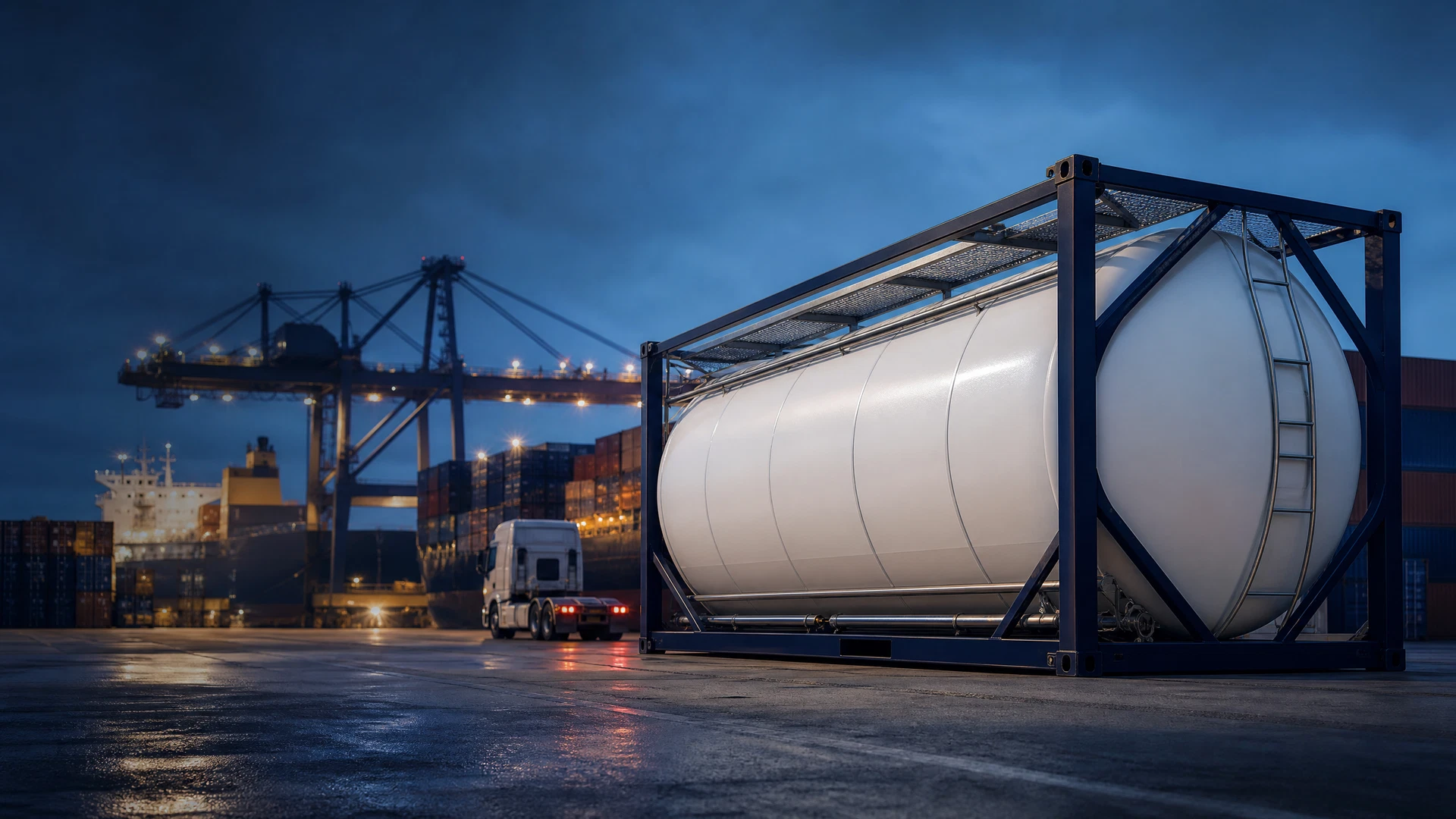
White ISO tank container prepared for UK and European trucking and sea freight

UK & European tank-container logistics

ISO Tank Logistics for the UK & Europe

Connected planning for tank cleaning, storage, trucking, empty repositioning, customs clearance and multimodal movement around documented liquid and bulk cargo.

Specialist ISO tank logistics

Cleaning, storage, trucking and repositioning connected

Lincoln Cargo coordinates ISO tank logistics between UK and European collection points, cleaning stations, storage locations, ports and receivers. The scope is built around the actual product, tank, route, dates and responsible-party requirements rather than a generic transport promise.

A useful enquiry identifies the product and classification, loaded or empty status, tank specification, previous cargo, cleaning status, gross weight, collection point, delivery point and any heating or handling requirement. These details allow trucking, sea freight, empty repositioning, storage and customs-clearance interfaces to be reviewed together.

  • UK and European trucking coordination
  • Tank cleaning and depot handovers
  • Loaded and empty tank storage planning
  • Empty repositioning and return movements
  • Port-to-door and door-to-port planning
  • Sea freight and multimodal connections
  • Customs-clearance information coordination
  • Shipment-specific equipment review

Cargo types

Liquid and bulk cargo profiles

Every product remains subject to cargo acceptance, classification, equipment suitability and applicable regulations. Dangerous-goods capability is not implied.

Chemical Liquids

Route, equipment and document requirements can be reviewed subject to cargo acceptance, classification and applicable regulations.

Food-Grade Liquids

Tank suitability, prior-cargo, cleaning and product-specific handling requirements are confirmed for each movement.

Oils & Lubricants

Coordinated bulk-liquid movements for suitable commercial oils and lubricants across road, sea and multimodal routes.

Industrial Liquids

Practical collection, port and delivery planning for compatible industrial liquid cargo.

Non-Hazardous Liquids

International tank-container planning for accepted non-hazardous liquid products and documented cargo profiles.

Bulk Commodities

Equipment and routing options assessed against the commodity, volume, loading method and delivery requirements.

Operational services

ISO tank cleaning, storage, trucking and empty repositioning

Each operational stage is confirmed with the relevant tank operator, depot, cleaning facility, haulier, terminal, customs representative and cargo interests before a commitment is made.

Tank cleaning coordination

Cleaning requirements should be reviewed against the previous cargo, next cargo, product specification and discharge location. Lincoln Cargo can coordinate timing and transport interfaces with a qualified cleaning facility, but cleaning capability and certification remain subject to that facility’s acceptance.

Tank storage planning

Temporary tank storage may support collection windows, port handovers, production schedules or the next loading appointment. Location, duration, loaded or empty status, cargo residues, heating needs and local facility rules must be confirmed before space is treated as available.

UK and European trucking

Road legs can connect shipper sites, cleaning stations, depots, ports and receivers. The trucking plan should reflect tank status, gross weight, product classification, driver and vehicle requirements, appointment times and any road-transport controls that apply.

Empty tank repositioning

An empty repositioning movement may still require residual-product information, cleaning status, equipment references and a confirmed return or loading location. Planning the empty leg early helps keep the next cargo movement and depot handover connected.

Customs clearance coordination

UK–EU tank movements can require accurate commercial, product, equipment and transport references. Lincoln Cargo can connect the shipment information with the appointed customs parties; classifications, declarations, controls and release decisions remain their responsibility.

Equipment-readiness review

Tank type, capacity, working pressure, fittings, heating arrangements, cleaning status, previous cargoes and inspection records may affect suitability. The shipper and responsible operator must approve the equipment for the specific product and movement.

Transport scope

ISO tank transport solutions

A coordinated scope can connect equipment, transport, ports and supporting documents around the actual shipment.

  • Full tank container movements
  • International repositioning
  • Port collection and delivery
  • Cross-border road transport
  • Sea freight coordination
  • Multimodal transport
  • Import/export documentation support
  • Time-sensitive logistics planning

Why ISO tanks?

A practical intermodal format

For suitable products and flows, tank containers can support efficient movement through connected road, terminal and sea operations.

  • Efficient bulk transportation
  • Reduced packaging requirements
  • Suitable for international multimodal transport
  • Secure containerised movement
  • Cost-effective for suitable bulk liquid flows

End-to-end logistics

A clear seven-step movement plan

Responsibilities and handovers are reviewed before operational commitments are made.

  1. 01

    Cargo & Route Assessment

  2. 02

    Equipment / Tank Planning

  3. 03

    Collection

  4. 04

    Export / Port Coordination

  5. 05

    International Transport

  6. 06

    Import Clearance Coordination

  7. 07

    Final Delivery

UK & European coverage

Tank-container planning across connected markets

The route should connect the cargo, tank status, cleaning or storage requirement, road legs, port interfaces and customs information without losing ownership of each handover.

United Kingdom tank movements

UK ISO tank logistics may connect collection or delivery sites with ports, terminals, cleaning stations and storage locations. Import and export planning should align tank and product references with the sea, road and customs documents used by the appointed parties.

European tank-container movements

European operations can combine cross-border trucking, short-sea services, deep-sea connections and depot handovers. Route selection depends on the product, equipment, origin, destination, border formalities, operational appointments and confirmed service availability.

UK–EU handovers

A cross-border plan should define who controls the tank at collection, port, cleaning, storage and delivery stages. Clear references and status updates reduce ambiguity when the equipment moves between hauliers, terminals, operators and customs representatives.

Prepare a stronger enquiry

Information that supports a workable tank movement

Better product, equipment and handover information allows cleaning, storage, trucking, customs and repositioning questions to be addressed before the movement reaches a critical deadline.

Prepare the cargo and product brief

Start with the commercial product name, safety or technical data where relevant, classification, loaded quantity, density, loading temperature, discharge method and any restriction stated by the shipper. These details help the responsible operator assess tank compatibility, fittings, heating needs and whether specialist controls may apply before a route or price is treated as workable.

Define tank status and handovers

Provide the tank number where available, loaded or empty status, current location, previous cargo, cleaning status, inspection or test references requested by the responsible parties, and the required return or next-loading point. A clear handover plan helps connect the haulier, terminal, cleaning station, storage location, tank operator and receiving site without uncertain equipment ownership.

Align cleaning and storage timing

Discharge time, residue condition, cleaning-station acceptance, wash type, documentation, onward storage and the next cargo window should be reviewed as one sequence. Delayed cleaning may affect residues or tank readiness, while loaded or unclean storage can involve different facility rules. Lincoln Cargo coordinates the transport interfaces; the qualified facility controls acceptance and the work it performs.

Match customs and trucking information

Commercial invoices, product descriptions, tariff information supplied by the responsible trader, tank references, gross weights, collection instructions, border status and delivery appointments should describe the same movement. For UK–EU trucking, the relevant declarant, carrier and cargo interests should confirm which customs, safety and road documents apply before dispatch.

Freight information

ISO tank logistics FAQs

Practical guidance for a better-prepared enquiry. Final requirements are confirmed against the actual cargo and route.

Industries we support

Planning around product and supply-chain requirements

Potential applications include chemicals, food and beverage, manufacturing, oils and lubricants, industrial commodities, and recycling or circular-economy flows—always subject to shipment-level acceptance.

Chemicals

Cargo, equipment, documentation and route requirements are confirmed for each enquiry.

Food & Beverage

Cargo, equipment, documentation and route requirements are confirmed for each enquiry.

Manufacturing

Cargo, equipment, documentation and route requirements are confirmed for each enquiry.

Oils & Lubricants

Cargo, equipment, documentation and route requirements are confirmed for each enquiry.

Industrial Commodities

Cargo, equipment, documentation and route requirements are confirmed for each enquiry.

Recycling & Circular Economy

Cargo, equipment, documentation and route requirements are confirmed for each enquiry.

Connected Lincoln Cargo services

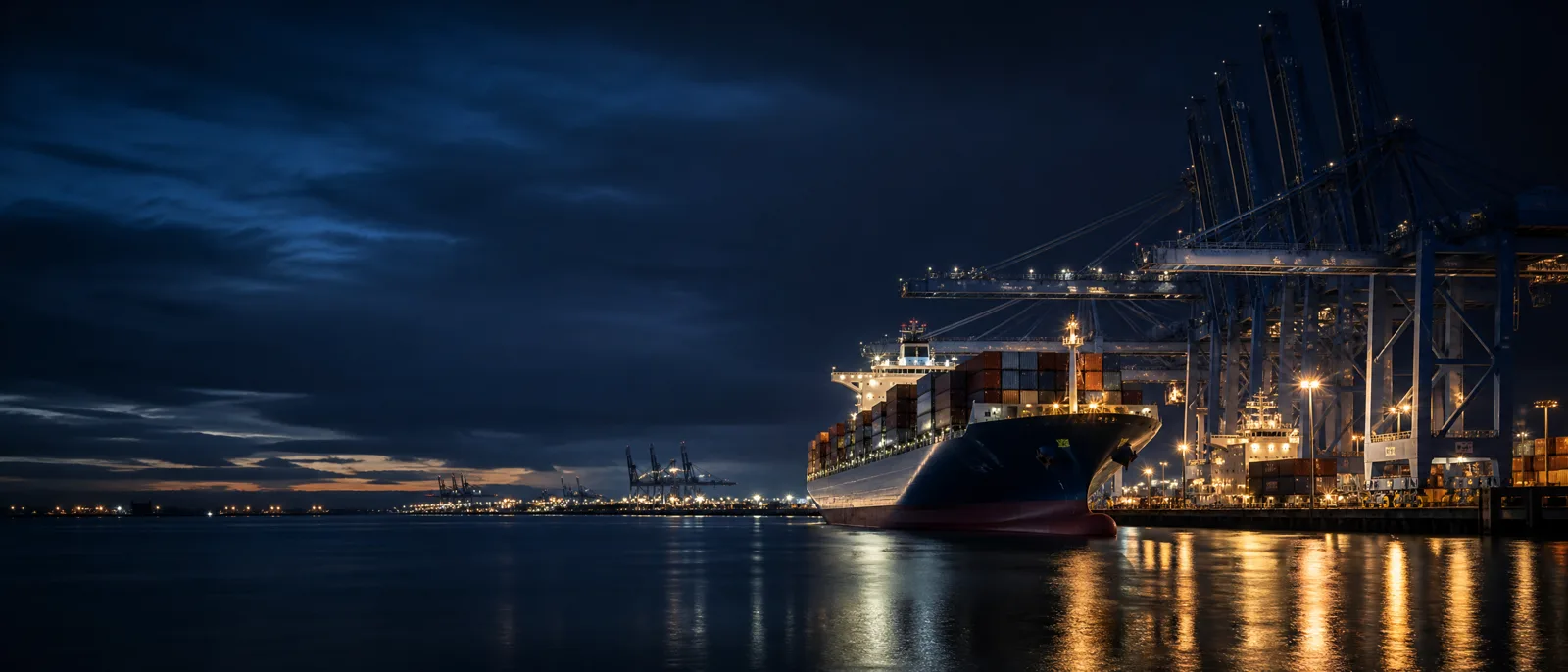
Container terminal at dusk

Need an ISO Tank or Bulk Transport Solution?

Speak with Lincoln Cargo about your route, cargo requirements and preferred transport schedule.

Request a quote